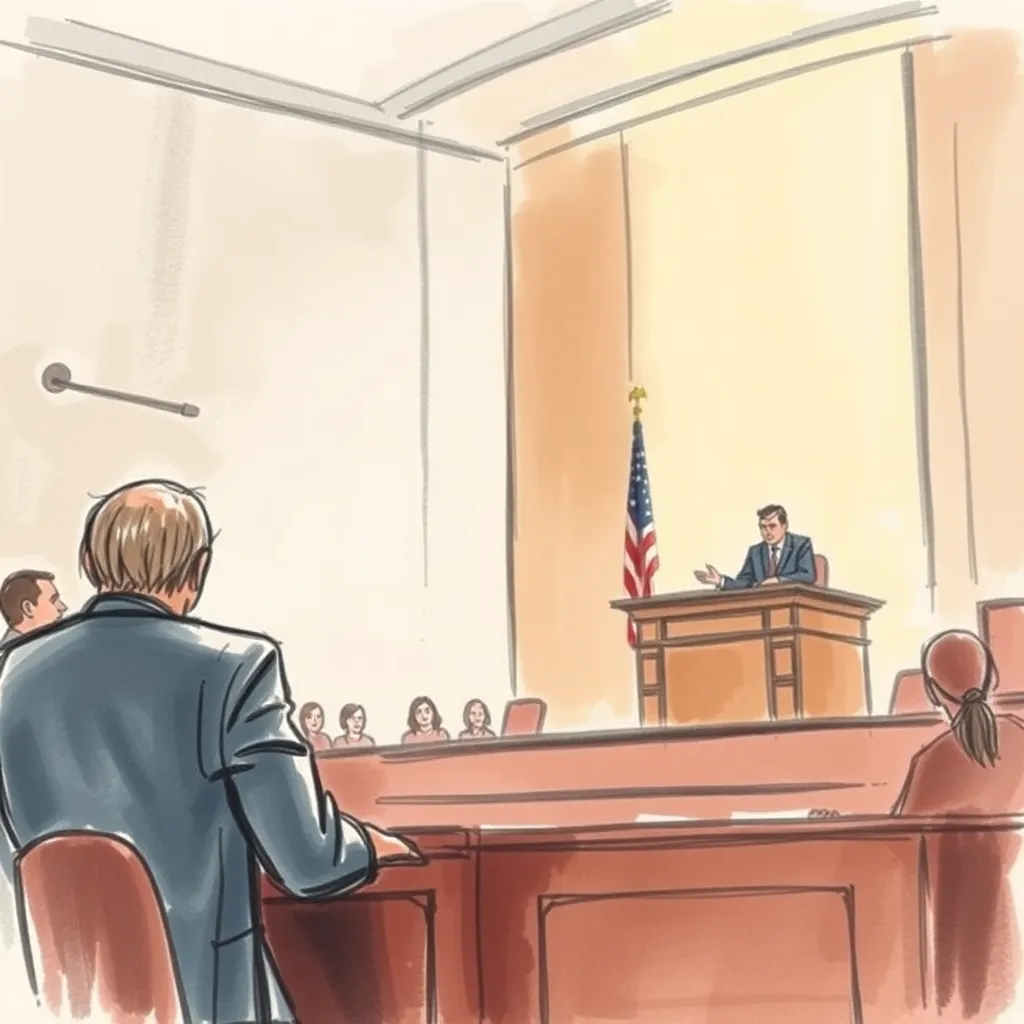
Understanding Lender Liability: Safeguarding Borrowers Against Wrongful Lending Practices
In the complicated world of finance, borrowers can sometimes find themselves at odds with lending institutions. When lenders engage in questionable practices, borrowers may suffer significant harm. This is where the concept of lender liability comes into play—a crucial area of law designed to protect borrowers from wrongful lending practices. Especially in Illinois, where lender liability claims are time-sensitive, understanding your rights is essential. Let's dive into what lender liability means, how wrongful lending practices manifest, and what steps borrowers can take to protect themselves.
Unpacking Lender Liability
Lender liability refers to the legal responsibility that lending institutions hold when they engage in inappropriate, unethical, or illegal behavior that harms borrowers. This area of law exists to ensure that borrowers have recourse when lenders fail to act in good faith or breach contractual obligations. In Chicago and throughout Illinois, lender liability can be a critical tool for borrowers who find themselves unfairly treated.
Common Scenarios of Wrongful Lending Practices
Wrongful lending practices can take many forms, but they often revolve around a few key areas:
-
Breach of Contract: When lenders fail to honor the terms outlined in the lending agreement, such as altering interest rates without proper notice or failing to disburse funds as agreed.
-
Breach of Good Faith and Fair Dealing: Lenders have an obligation to act in good faith and deal fairly with borrowers. Practices that undermine this duty, such as misleading borrowers or manipulating loan terms, can be grounds for a claim.
-
Economic Duress: This occurs when borrowers are forced into unfavorable agreements due to coercion, often because lenders exploit their financial vulnerabilities.
-
Predatory Lending: Practices that impose unfair and abusive loan terms on borrowers, often targeting vulnerable populations, fall under predatory lending. This includes usurious interest rates, excessive fees, and lending without considering a borrower's ability to repay.
-
Violation of Lending Regulations: Non-compliance with state or federal lending regulations can also constitute wrongful practices. This includes violations of the Truth in Lending Act (TILA), the Real Estate Settlement Procedures Act (RESPA), and other consumer protection laws.
The Time-Sensitive Nature of Lender Liability Claims
In Illinois, lender liability claims are subject to statutes of limitations, meaning there is a limited window in which borrowers can assert their rights. This makes it imperative for borrowers to act quickly if they suspect wrongdoing. Consulting with a knowledgeable attorney who specializes in lender liability can help you understand these timelines and ensure your claims are filed in a timely manner.
Identifying Breach of Lending Contract
A breach of lending contract occurs when one party fails to fulfill its obligations as outlined in the agreement. For borrowers, this could manifest in several ways:
-
Unilateral Changes to Loan Terms: If a lender changes the terms of the loan without mutual consent, such as adjusting interest rates or payment schedules, it may be considered a breach.
-
Failure to Disburse Funds: When lenders delay or refuse to release funds as agreed, borrowers can suffer significant financial harm, potentially leading to a breach of contract claim.
-
Imposing Undisclosed Fees: Additional fees that were not disclosed at the time of signing can also constitute a breach, as they alter the financial obligations originally agreed upon.
Understanding these breaches is crucial for borrowers to recognize when their rights have been violated and to take appropriate legal action.
Protecting Yourself Against Predatory Lending
When it comes to predatory lending, borrowers need to be vigilant. Predatory lenders often employ tactics that can seem appealing initially but lead to devastating financial consequences. Here's how you can protect yourself:
Be an Informed Borrower
Knowledge is your best defense against predatory lending. Make sure to:
-
Read Contracts Thoroughly: Understand every term of your loan agreement. Look for hidden fees, fluctuating interest rates, and penalties that could impact your financial situation.
-
Compare Offers: Shop around and compare loan offers from multiple lenders. This can help you identify unreasonable terms and avoid lenders who may be engaging in predatory practices.
-
Seek Professional Advice: If anything seems unclear, consult with a financial advisor or an attorney. A predatory lending lawyer can provide invaluable insights into whether a loan agreement is fair and lawful.
Red Flags to Watch Out For
Certain warning signs can indicate predatory lending practices:
-
Pressure to Sign: If a lender rushes you to sign documents or discourages you from seeking advice, it could be a sign of predatory behavior.
-
Complex Terms: Overly complicated loan terms filled with jargon can be used to obscure unfair conditions. Ensure you fully understand every detail before proceeding.
-
Promises of Guaranteed Approval: Legitimate lenders will assess your ability to repay. Be wary of those who promise approval regardless of your financial situation.
Seeking Legal Recourse: Your Path to Justice
If you suspect that you have been the victim of wrongful lending practices, it is essential to seek legal advice promptly. A predatory lending lawyer can help you navigate the complexities of lender liability in Illinois and build a strong case against the offending institution.
Steps to Take When Pursuing a Claim
-
Document Everything: Keep detailed records of all communications with your lender, including emails, letters, and phone calls. Document any changes to your loan terms or payment schedules.
-
Identify Violations: Work with your attorney to identify specific ways in which the lender may have violated your contract or engaged in predatory practices.
-
File a Complaint: Your attorney will help you file a formal complaint with the appropriate regulatory body if necessary, such as the Illinois Department of Financial and Professional Regulation.
-
Pursue Litigation: If negotiations fail, your lawyer may recommend pursuing litigation to seek damages for any financial harm suffered.
What to Expect During the Legal Process
The legal process can be daunting, but understanding the steps involved can help ease your concerns:
-
Initial Consultation: During this meeting, your attorney will evaluate your situation and determine if you have a viable claim.
-
Case Preparation: Your lawyer will gather evidence, interview witnesses, and prepare legal arguments to support your case.
-
Negotiation: Many cases are resolved through settlement negotiations, where both parties agree on compensation outside of court.
-
Trial: If a settlement cannot be reached, your case may go to trial, where a judge or jury will determine the outcome based on the evidence presented.
Take Action Now: Protect Your Financial Future
Facing wrongful lending practices can be overwhelming, but you don't have to navigate this battle alone. By understanding lender liability and the steps to take if you've been wronged, you can confidently protect your financial future. Whether you're dealing with a breach of lending contract or seeking a predatory lending lawyer near you in Chicago, taking prompt action is crucial.
If you believe you've been subjected to wrongful lending practices, don't wait. Contact a skilled attorney who specializes in lender liability in Illinois. Together, you can fight back against unethical lenders and ensure your rights are upheld. Ready to stand up for your financial security? Schedule a consultation with a knowledgeable lawyer today and take the first step toward reclaiming what is rightfully yours.