Understanding Bank Misconduct: A Guide to Lender Liability
In the realm of lending, trust is paramount. Borrowers enter into agreements with banks, expecting honest dealings and fair treatment. However, when banks act in bad faith or violate their duty of fair dealing, it can have serious repercussions for individuals and small businesses. This guide delves into how banks may breach this duty, the implications of such breaches, and how you can seek redress through a lender liability lawsuit.
The Concept of Good Faith and Fair Dealing
What Does Good Faith and Fair Dealing Mean?
The covenant of good faith and fair dealing is an implicit promise found in every contract, including those between lenders and borrowers. It requires that parties act honestly and fairly toward one another, doing nothing to destroy or injure the right of the other party to receive the benefits of the contract. In Illinois, as in many other states, this covenant is critical to maintaining the integrity of contractual relationships.
Examples of Breaches by Banks
Banks can breach this covenant in numerous ways, often leaving borrowers in precarious situations. Common examples include:
- Unjustified Loan Acceleration: Demanding full repayment of a loan prematurely without valid cause.
- Failure to Disclose Information: Withholding vital information that affects the borrower's ability to make informed decisions.
- Arbitrary Fee Imposition: Charging excessive or unexpected fees not outlined in the original agreement.
- Manipulative Loan Modifications: Altering loan terms in a way that unduly benefits the lender at the borrower's expense.
Recognizing the Signs of Lender Misconduct
Spotting Red Flags
Identifying bank misconduct early can save borrowers from prolonged financial distress. Some red flags to watch for include:
- Sudden changes in loan terms without adequate explanation.
- Inconsistent communication and refusal to provide documentation.
- Unexpected charges or penalties appearing on statements.
- Pressure to agree to new terms that are significantly less favorable.
Impact on Borrowers
When banks violate good faith and fair dealing, the fallout can be severe. Borrowers may face increased financial burdens, damaged credit scores, and even the loss of property or business opportunities. Recognizing these signs early is crucial to mitigating harm.
Legal Recourse for Breach of Good Faith
Initiating a Lender Liability Lawsuit
If you suspect a breach of good faith and fair dealing, pursuing a lender liability lawsuit may be a viable option. This legal action allows borrowers to seek compensation for losses incurred due to a bank's misconduct.
Steps to Take
- Document Everything: Keep detailed records of all interactions with the bank, including emails, letters, and phone call logs.
- Consult a Bank Misconduct Attorney: A qualified attorney in Chicago can assess your case, guide you through the legal process, and help determine the best course of action.
- File a Complaint: If advised by your attorney, file a formal complaint to initiate the lawsuit. This document should outline the alleged breaches and the damages sought.
What to Expect in Court
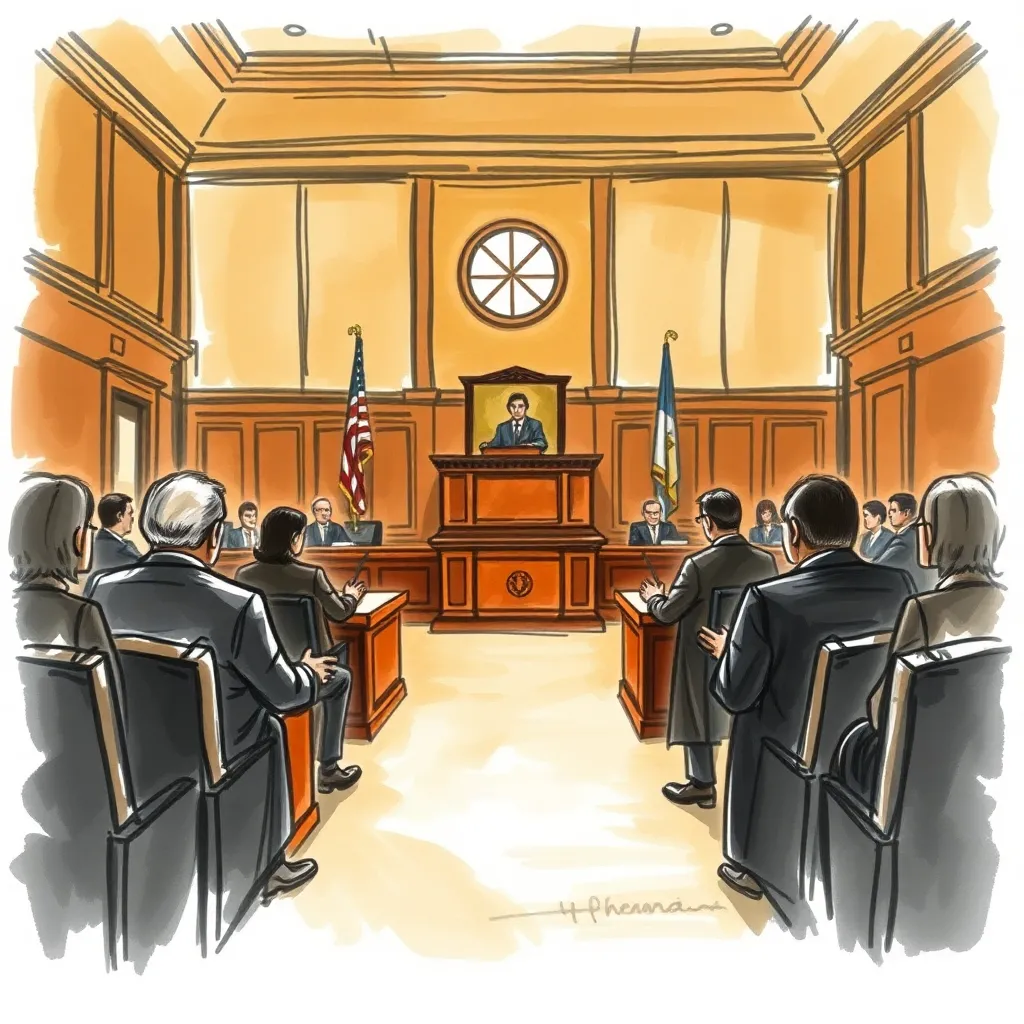
During a lender liability lawsuit, the burden of proof rests on the borrower to demonstrate that the bank acted in bad faith. This typically involves showing that the bank's actions were intentional and that these actions directly harmed the borrower. An experienced lending violation lawyer can help present a compelling case, often utilizing expert testimony and thorough documentation.
Choosing the Right Legal Representation
Why You Need a Specialized Attorney
Navigating a lender liability lawsuit requires specific expertise. Here’s why a specialized bank misconduct attorney is essential:
- Expertise in Financial Regulations: Understanding the complex regulations governing banking practices is crucial.
- Experience with Similar Cases: Familiarity with lender liability cases can provide strategic advantages.
- Negotiation Skills: Often, these cases may be resolved through negotiation rather than lengthy court battles.
Finding a Bank Misconduct Attorney in Chicago
When searching for a bank misconduct attorney in Chicago, consider the following:
- Track Record of Success: Look for attorneys with proven success in handling lender liability cases.
- Client Testimonials: Reviews and testimonials can provide insight into an attorney’s approach and effectiveness.
- Free Consultations: Many attorneys offer free consultations to discuss the viability of your case before proceeding.
Preventative Measures for Borrowers
Protecting Yourself from Bank Misconduct
While legal recourse is available, prevention is always preferable. Here are some strategies to protect yourself:
- Thoroughly Review Contracts: Ensure you understand all terms and conditions before signing.
- Maintain Open Communication: Regularly communicate with your lender to stay informed about any changes.
- Seek Financial Advice: Consult with financial advisors to understand potential risks and protections.
Staying Informed
Staying informed about your rights as a borrower and potential lender misconduct is critical. Regularly reviewing financial news, attending workshops, or joining consumer protection groups can keep you updated on the latest developments.
Take Action Against Unfair Lending Practices
If you're facing challenges due to a bank's breach of good faith and fair dealing, remember that you have options. By engaging with a knowledgeable lending violation lawyer, you can take steps to protect your interests and seek the compensation you deserve. Don’t let bank misconduct go unchallenged—stand up for your rights and ensure fair treatment under the law.
Ready to Fight Back? Here's Your Next Step
If you believe you've been wronged by a bank's unfair practices, it's time to take decisive action. Contact a trusted bank misconduct attorney in Chicago to evaluate your situation. At Gentleman Law, we offer free consultations to help determine whether you have a viable case. Reach out today at (312) 741-1039 or schedule a consultation online. Protect your rights and hold banks accountable for their actions.