
Facing the Unexpected: Navigating Wrongful Insurance Denials in Illinois
In an ideal world, insurance policies act as a safety net, offering peace of mind when life's uncertainties strike. However, when an insurance company wrongfully denies a claim, it can feel like the ground has been pulled out from under you. For those in Illinois facing a wrongful insurance denial, understanding your legal options is crucial. This guide explores how to challenge these denials and when to seek the expertise of an insurance dispute lawyer.
Understanding Wrongful Insurance Denials
Insurance companies have a legal obligation to act in good faith and honor legitimate claims. Unfortunately, some insurers may unjustly deny claims to protect their bottom line. Wrongful denials can occur across various types of insurance, including health, auto, homeowner's, and life insurance policies. Recognizing the signs of a wrongful denial is the first step toward reclaiming your rights.
Common Reasons for Claim Denial
Insurance claims can be denied for numerous reasons, some legitimate and others less so. Common justifications for denial include:
- Policy Exclusions: The insurer may assert that your situation falls under an exclusion in the policy.
- Lapsed Coverage: Claims may be denied if premiums were not paid, resulting in a lapse in coverage.
- Insufficient Documentation: A claim might be denied if the insurer alleges a lack of necessary documentation.
- Misrepresentation or Non-Disclosure: Claims can be denied if the insurer believes that false information was provided during the application process.
- Pre-existing Conditions: Particularly in health insurance, pre-existing conditions may be cited as a reason for denial.
While these reasons may appear valid on the surface, they can often be challenged with the right legal insights.
Steps to Take After a Denial
If your insurance claim has been denied in Illinois, it’s essential to act swiftly and strategically. Here's a step-by-step guide to navigating the aftermath of a denial.
Review the Denial Letter
The denial letter is your starting point. It should outline the insurer's reasons for denying your claim. Carefully review this document, noting any discrepancies or areas that lack clarity. This will form the basis of your appeal.
Gather Supporting Documentation
Compile all relevant documents, including your insurance policy, correspondence with the insurer, medical records, repair estimates, and any other evidence supporting your claim. Detailed documentation is crucial when challenging a denial.
Contact Your Insurance Company
Before escalating the matter, attempt to resolve the issue directly with your insurer. Contact them for clarification on why your claim was denied and provide any additional information or documentation they may require.
File an Appeal
If initial discussions with your insurer are unproductive, the next step is to file a formal appeal. Insurers are required to provide an appeals process, which is typically outlined in the denial letter. Ensure you adhere to any deadlines and procedural requirements.
Legal Recourse: When to Contact an Insurance Dispute Lawyer
If your appeal is unsuccessful or the insurer is unresponsive, it may be time to seek legal assistance. An insurance claim denial attorney in Illinois can provide invaluable support, offering expertise and resources to challenge the insurer's decision effectively.
The Role of an Insurance Dispute Lawyer
An experienced insurance dispute lawyer will evaluate your case, identifying any violations of Illinois insurance laws or bad faith practices. They can negotiate with the insurer on your behalf or escalate the matter to litigation if necessary. Their goal is to ensure you receive the compensation you are entitled to under your policy.
Illinois Insurance Laws and Consumer Protections
Illinois law provides several protections for policyholders. The Illinois Insurance Code mandates that insurers deal with claims promptly and fairly. Additionally, the Illinois Consumer Fraud and Deceptive Business Practices Act prohibits unfair or deceptive acts by insurance companies. An attorney can leverage these laws to hold insurers accountable.
Preparing for Litigation: What to Expect
If legal action becomes necessary, understanding the litigation process can help alleviate some of the uncertainty and anxiety.
Initial Consultation and Case Evaluation
During your initial consultation, your attorney will conduct a thorough review of your case, assessing the strength of your claim and advising on the best course of action. This may include gathering further evidence or consulting with industry experts.
Filing a Lawsuit
If your attorney determines that litigation is warranted, they will file a lawsuit against the insurance company. The complaint will detail the insurer's alleged wrongdoing, the policyholder's damages, and the legal grounds for the case.
Discovery and Pre-Trial Motions
The discovery phase involves exchanging information between parties. This can include depositions, requests for documents, and interrogatories. Pre-trial motions may be filed to resolve certain issues before trial, such as motions to dismiss or for summary judgment.
Trial and Verdict
If the case proceeds to trial, both parties will present their evidence and arguments before a judge or jury. The verdict will determine whether the insurer is liable for damages and, if so, the amount owed to the policyholder.
Considerations for Choosing an Insurance Dispute Lawyer
Selecting the right attorney can significantly impact the outcome of your case. Here are key factors to consider:
Experience and Track Record
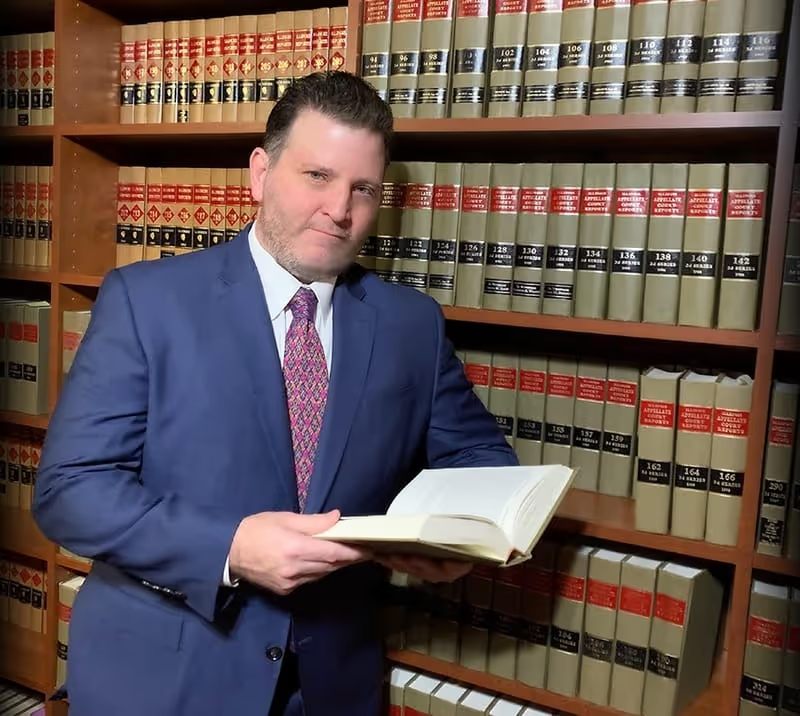
Look for an attorney with a proven track record in handling insurance disputes, particularly wrongful denials. Their experience in Illinois courts can provide strategic advantages in your case. Learn more about Joseph T Gentleman and his expertise.
Client Testimonials and Referrals
Client testimonials and referrals offer insights into an attorney's reputation and effectiveness. Positive feedback from past clients can provide reassurance of their ability to handle your case.
Communication and Accessibility
Effective communication is vital in any legal matter. Choose an attorney who is responsive, keeps you informed, and explains complex legal concepts in plain language.
Fee Structure and Transparency
Understand the attorney's fee structure before proceeding. Many insurance dispute lawyers work on a contingency basis, meaning they only get paid if you win your case. Ensure all fees and expenses are clearly outlined to avoid surprises.
Taking Action: Empowering Yourself Against Unjust Denials
Facing a wrongful insurance denial can be daunting, but you don’t have to navigate it alone. By understanding your rights and options in Illinois, you can take decisive action to challenge unjust denials. Whether through negotiation, appeal, or litigation, the goal is to secure the coverage benefits you rightfully deserve.
Ready to Challenge Your Denial?
If you find yourself battling a wrongful insurance denial in Chicago or elsewhere in Illinois, don’t wait. Time is of the essence, as insurance disputes are subject to statutes of limitation. Contact an insurance claim denial attorney in Illinois today to explore your options. Whether you need assistance with an appeal or are considering litigation, expert legal guidance can make all the difference in reclaiming your peace of mind.
For a free consultation and to discuss the specifics of your case, reach out to a trusted insurance dispute lawyer. Together, you can build a strategy to hold your insurer accountable and pursue the justice you deserve.